-5.png?w=886&h=163)


Designing the Raised Garden Beds of Your Dreams: A Step-by-Step Guide to Beautiful and Productive Gardening
Raised garden beds offer the perfect way to bring both beauty and productivity into your gardening space, whether you’re working with a small backyard, a patio, or an expansive plot. These beds elevate your plants, improve soil quality, and make gardening more accessible by reducing bending. With a bit of planning and creativity, you can design raised garden beds that are functional, attractive, and tailored to your specific needs.
Why Choose Raised Garden Beds?
Raised beds provide numerous benefits, making them a popular choice for gardeners of all skill levels:
- Better Soil Control: You can fill your beds with high-quality soil, customized for what you’re growing.
- Improved Drainage: Raised beds drain better, preventing root rot and waterlogging.
- Easier on the Back: Higher beds mean less bending and kneeling, making gardening easier on your body.
- Extended Growing Season: Soil in raised beds warms up faster in spring and cools slower in fall, extending the growing season.

Step 1: Choose the Right Location
Start by selecting a sunny spot, as most vegetables and flowers need at least 6 hours of sunlight. Consider wind protection, proximity to a water source, and access for regular maintenance. If your beds will be on a patio or balcony, check the weight capacity and opt for lighter materials.
Step 2: Pick Your Bed Material
You have several options when it comes to building materials, each with unique qualities:
- Wood: Cedar and redwood are naturally rot-resistant, making them ideal for raised beds. Treated wood can be used but ensure it’s safe for edible plants.
- Metal: Galvanized steel or corrugated metal offers a modern look and is highly durable.
- Brick or Stone: Adds a rustic or formal feel and is long-lasting, though heavier and more permanent.
- Composite or Recycled Plastic: Durable and often made from eco-friendly materials, these require no maintenance.
Step 3: Plan Your Bed Size and Layout
Raised beds are often built 4 feet wide, allowing you to reach all areas without stepping on the soil, which keeps it loose and fertile. Standard lengths are 4 to 8 feet, but you can adjust based on your space. Depths of 12 to 18 inches are ideal for most plants, while deeper beds (24 inches or more) are better for root vegetables like carrots.
For a beautiful layout:
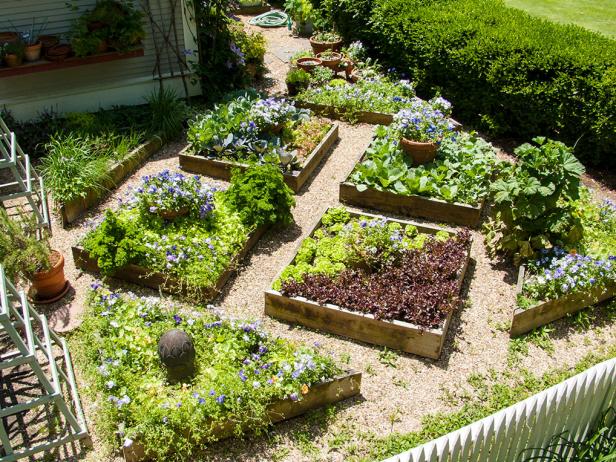
- Single Rows: Place multiple beds in parallel rows for easy access and a classic look.
- U- or L-Shaped Beds: Create an immersive experience by arranging beds in shapes that you can walk into.
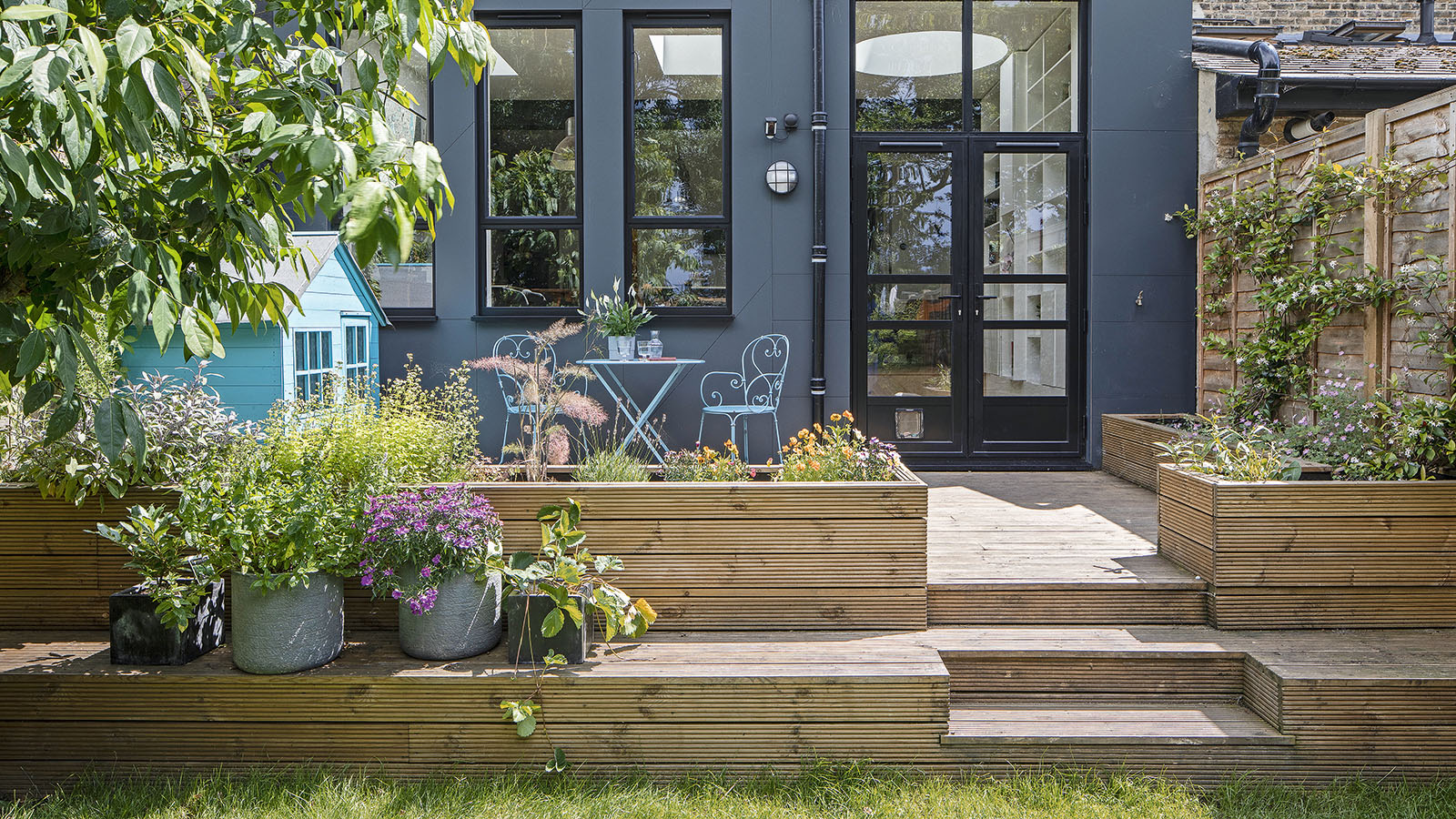
- Tiered Beds: Use different heights for visual interest, perfect for smaller spaces.
Step 4: Prepare the Soil Mix
The right soil mix is key to a successful raised bed garden. For a standard mix, combine:
- 60% topsoil
- 30% compost (or organic matter like aged manure)
- 10% soilless mix (such as peat moss or coconut coir)
This mix provides the perfect blend of nutrients, drainage, and structure for most plants. Adjust with more compost or sand depending on the needs of specific plants.
Step 5: Design for Function and Beauty
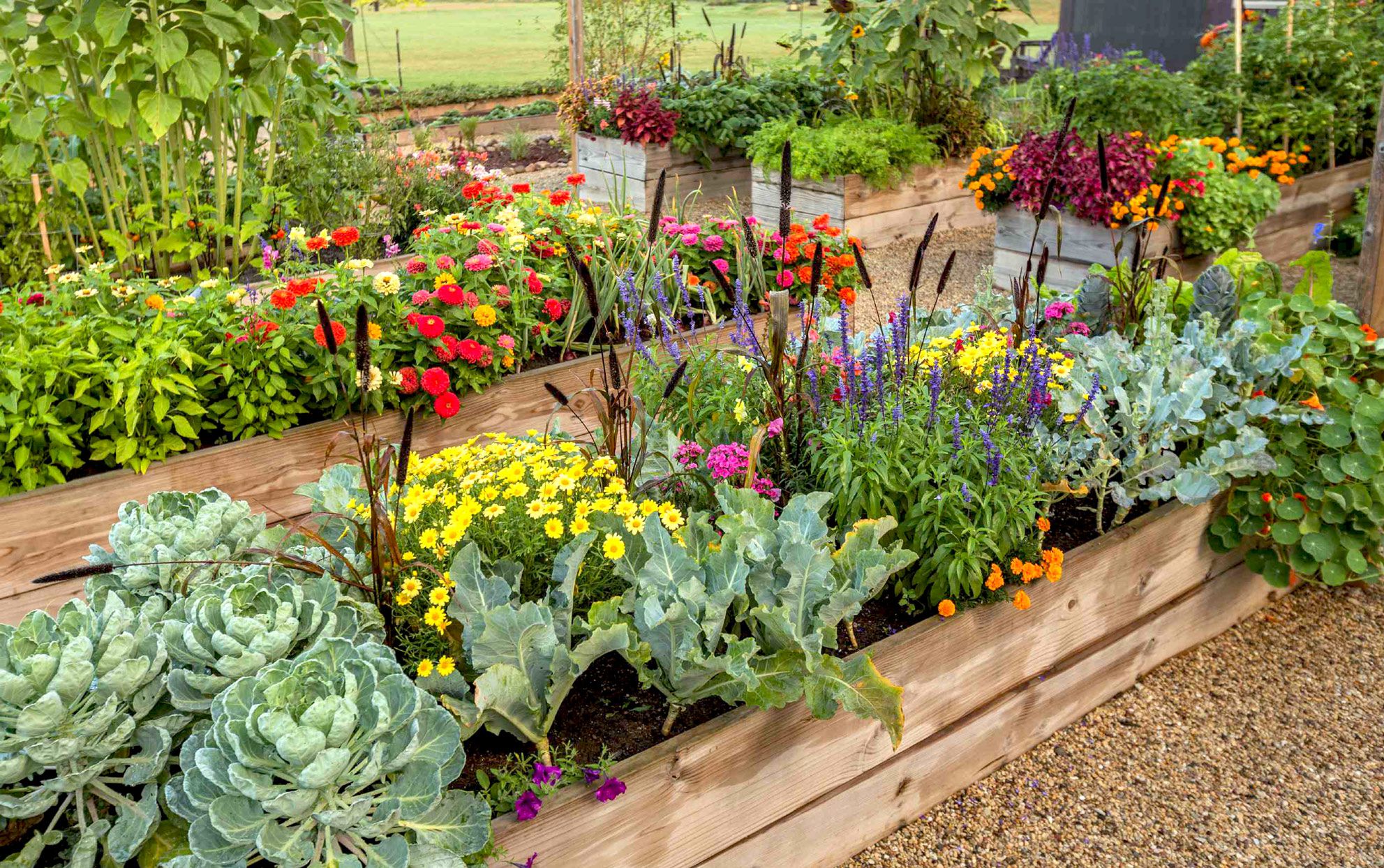
Consider combining different plants for both aesthetics and utility. Mix flowers like marigolds or nasturtiums with vegetables to deter pests and attract pollinators. If you have climbing plants like beans or tomatoes, install trellises to create vertical interest and save space.
Add paths with gravel or mulch between beds to keep things neat and prevent muddy areas. You might also consider a small seating area nearby for a place to relax and admire your garden.
Step 6: Choose the Right Plants for Raised Beds
Certain plants thrive particularly well in raised beds:
- Vegetables: Tomatoes, lettuce, carrots, and peppers are excellent choices.
- Herbs: Basil, rosemary, and parsley grow well and add fragrance.
- Flowers: Marigolds, zinnias, and calendula can be used to add color and attract beneficial insects.
Step 7: Maintain and Enjoy Your Raised Beds
Raised beds require regular watering, especially in warmer months, as the soil dries out faster. Use mulch to retain moisture and reduce weeds, and keep an eye on nutrient levels by adding compost each season. Fertilize as needed, depending on the plants’ needs, to keep your garden lush and productive.
Final Thoughts
Designing the raised garden beds of your dreams is all about combining functionality with your personal style. With the right planning, materials, and layout, you’ll create a stunning garden that’s easy to care for and brings endless enjoyment. Raised beds transform gardening into a rewarding experience, making it accessible, organized, and endlessly beautiful. So roll up your sleeves, get creative, and start building the raised garden bed of your dreams!