-5.png?w=886&h=163)

Bulb Layering for Continuous Blooms: A Step-by-Step Guide to Year-Round Color in Your Garden
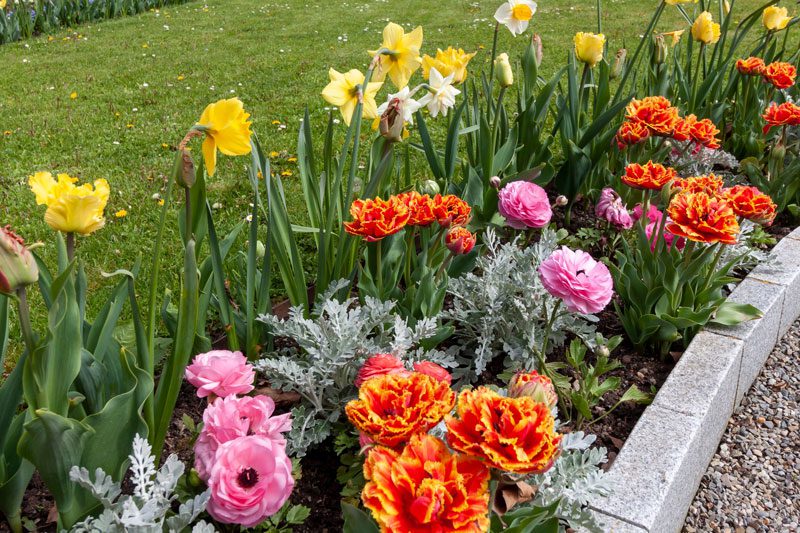
Imagine having a garden bed that changes colors with the seasons, constantly in bloom without needing to replant every few months. This magic comes from a technique called bulb layering or “lasagna planting,” where different types of bulbs are planted in the same container or ground bed at varying depths to provide continuous, cascading blooms from early spring through summer. Let’s explore this easy, rewarding method and set your garden up for year-round beauty.
Why Choose Bulb Layering?
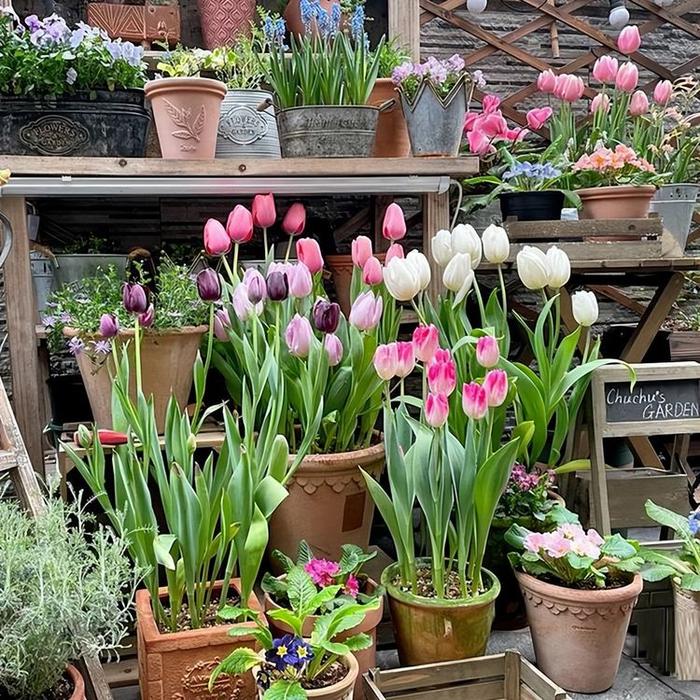
Bulb layering allows gardeners to maximize limited space and keep their gardens alive with fresh blooms throughout the growing season. By carefully selecting bulbs with staggered blooming times and arranging them in layers, you’ll witness an ever-evolving display of color, texture, and fragrance. Whether you’re planting in a container or directly in the ground, bulb layering works wonderfully with flowers like tulips, daffodils, hyacinths, crocuses, and alliums.
Getting Started with Bulb Layering
Choose Your Container or Garden Bed
Pick a pot deep enough for layering multiple types of bulbs if you’re container gardening. A depth of 12-18 inches works well for most flowers. Alternatively, you can layer directly into a garden bed if you want a larger display. Make sure the soil is well-drained; bulbs can rot if they sit in waterlogged soil.
Select Your Bulbs
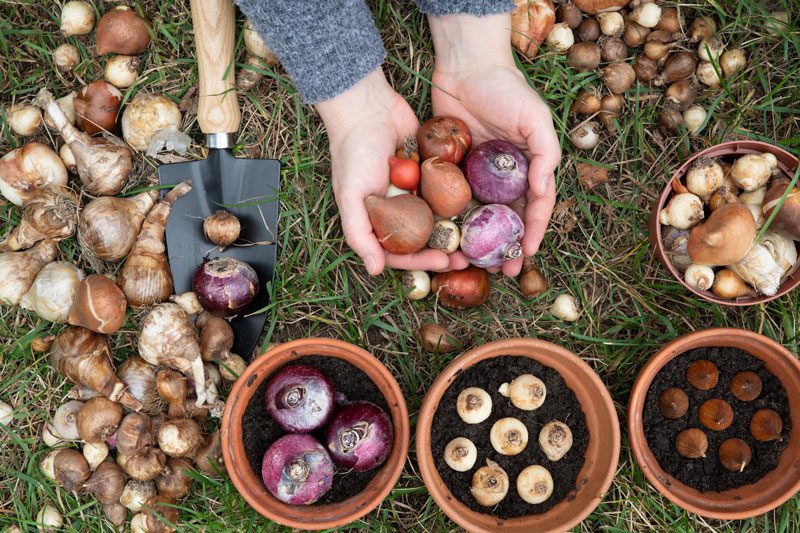
When choosing bulbs, think about their blooming times and desired layering depth. Here’s a classic combination to get continuous blooms from early spring through early summer:
- First Layer (Bottom): Late bloomers like tulips or daffodils, as they require deeper planting.
- Second Layer (Middle): Mid-season bloomers such as hyacinths.
- Top Layer: Early bloomers like crocuses and snowdrops.
Prepare the Soil
Add a layer of good-quality potting soil or garden soil to the base of your container or garden bed. Consider adding bone meal or a bulb fertilizer to give your bulbs a nutrient boost, helping them develop strong roots before winter.
Plant the First Layer of Bulbs
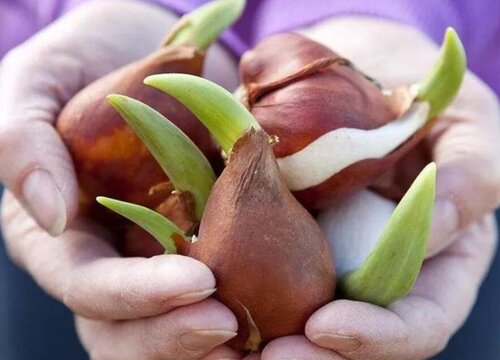
Start by placing your late-blooming bulbs, like tulips, at the bottom layer. Position the bulbs pointy side up and space them about 2-3 inches apart to give them room to grow. Cover them with soil, but only enough to reach the middle layer.
Add the Middle Layer of Bulbs
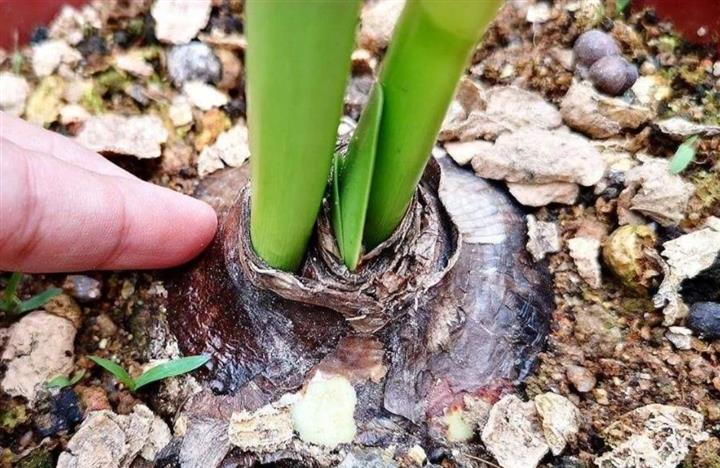
Place your mid-season bulbs, such as hyacinths, in the next layer. Again, position them pointy side up and spaced a couple of inches apart. Cover this layer with another layer of soil.
Finish with the Top Layer
Plant your early bloomers, like crocuses or snowdrops, in the final top layer. These bulbs don’t need much depth, so cover them with just a thin layer of soil, leaving some space at the top for watering.
Water and Wait
Water the container or garden bed to settle the soil around the bulbs. Watering once every few weeks during winter (if it’s dry) will keep the bulbs hydrated without soaking them. As spring approaches, watch as the first flowers start to peek through, followed by layer after layer of colorful blooms!
![球根の植え方! 注意点・ポイントを紹介 [ガーデニング・園芸] All About](https://img-preview-va.myshopline.com/image/store/1728112936209/22451026511.jpg?w=800&h=586)
Tips for Success with Bulb Layering
- Mix and Match for Variety: Choose bulbs in complementary colors or go for a striking monochromatic look.
- Consider Fragrance: Adding fragrant bulbs like hyacinths or daffodils will enhance the sensory experience in your garden.
- Mind the Climate: If you live in a warmer climate, consider chilling your bulbs for 6-8 weeks in the refrigerator before planting to mimic the winter cycle they require.
Extend the Bloom Season Even Further
You can extend the blooming season by adding a final layer of summer-blooming bulbs, such as lilies or alliums, which will pop up as the spring bulbs fade. This way, your garden stays vibrant and full even as the seasons change.
Final Thoughts
Bulb layering is an easy technique that brings impressive results, transforming a simple container or flower bed into a seasonal masterpiece. With careful planning, you’ll enjoy a constant rotation of blooms, adding depth and continuity to your garden without the need for constant replanting.
So, as you prepare for the coming seasons, consider trying out bulb layering for a garden that keeps on giving, no matter the time of year. Happy planting! 🌷