-5.png?w=886&h=163)

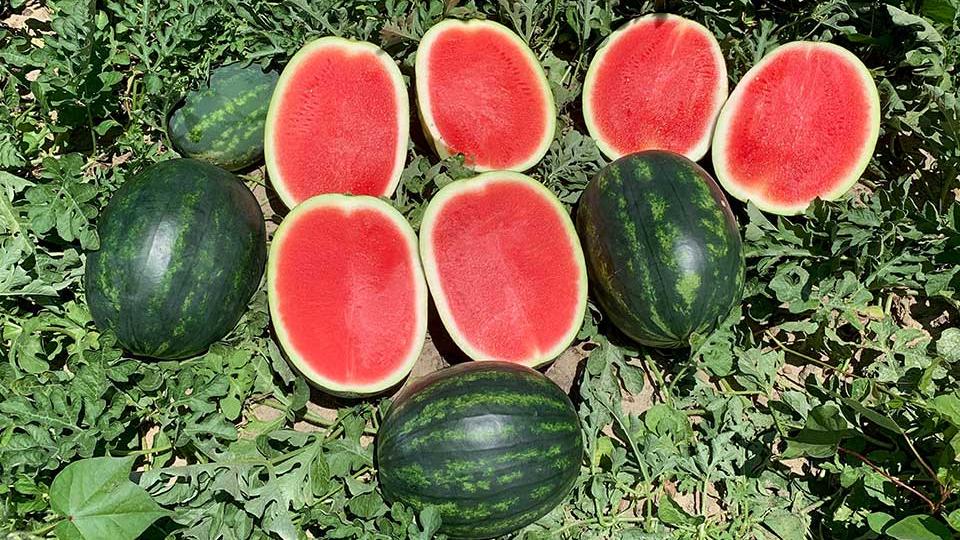
How to Grow Watermelons from Seed in Summer: A Beginner's Guide to Juicy Success 🍉
There's nothing quite like biting into a homegrown watermelon on a hot summer day. Sweet, crisp, and thirst-quenching—it's the ultimate reward for any backyard gardener. The good news? Growing your own watermelon from seed is easier than you think, especially in the warm months of summer.
Here’s everything you need to know to grow watermelons like a pro, even if you're starting with just a few seeds and a patch of soil.
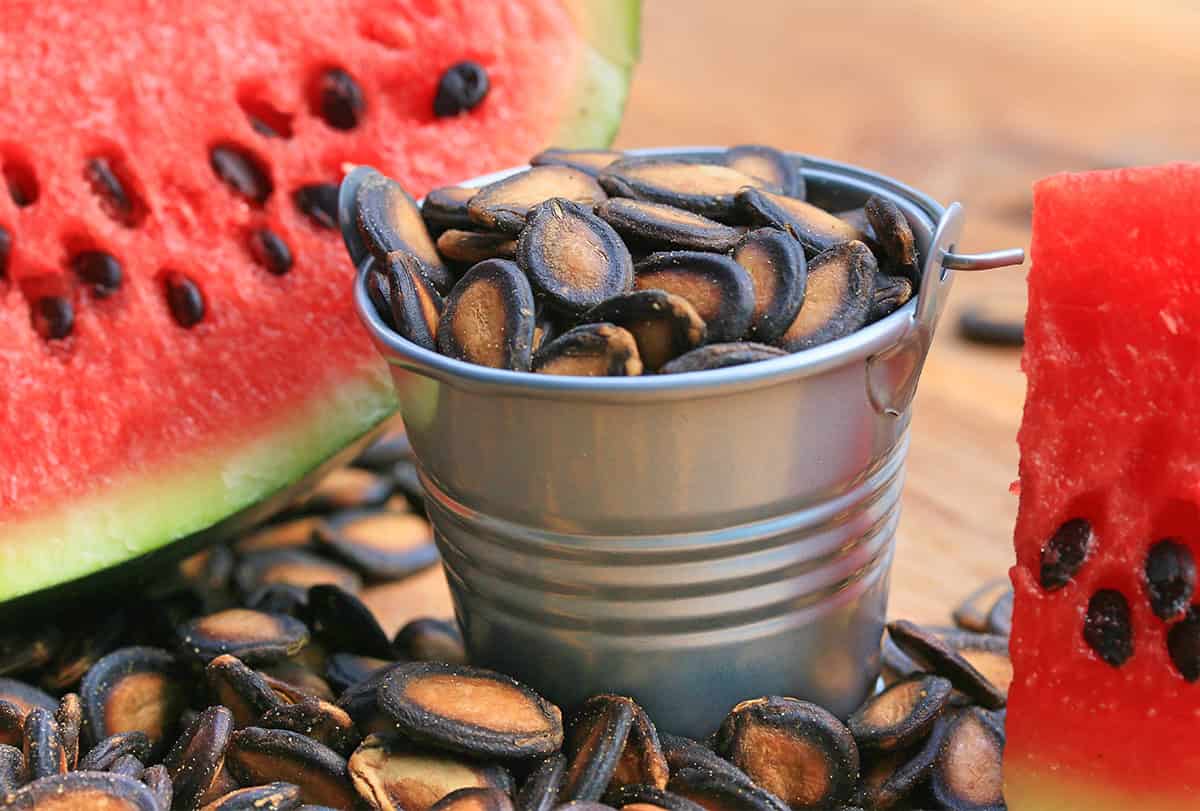
🧬 1. Choose the Right Watermelon Variety
Before planting, pick a variety that fits your space and climate:
-
Mini or Icebox Watermelons (e.g. Sugar Baby): Small, early-maturing—great for containers or small gardens.
-
Standard Varieties (e.g. Crimson Sweet, Charleston Gray): Large and juicy, perfect for wide open spaces.
-
Seedless Watermelons: Delicious but trickier to grow—often require a pollinator variety nearby.
Tip: Check the days to maturity (usually 70–90 days) on the seed packet.
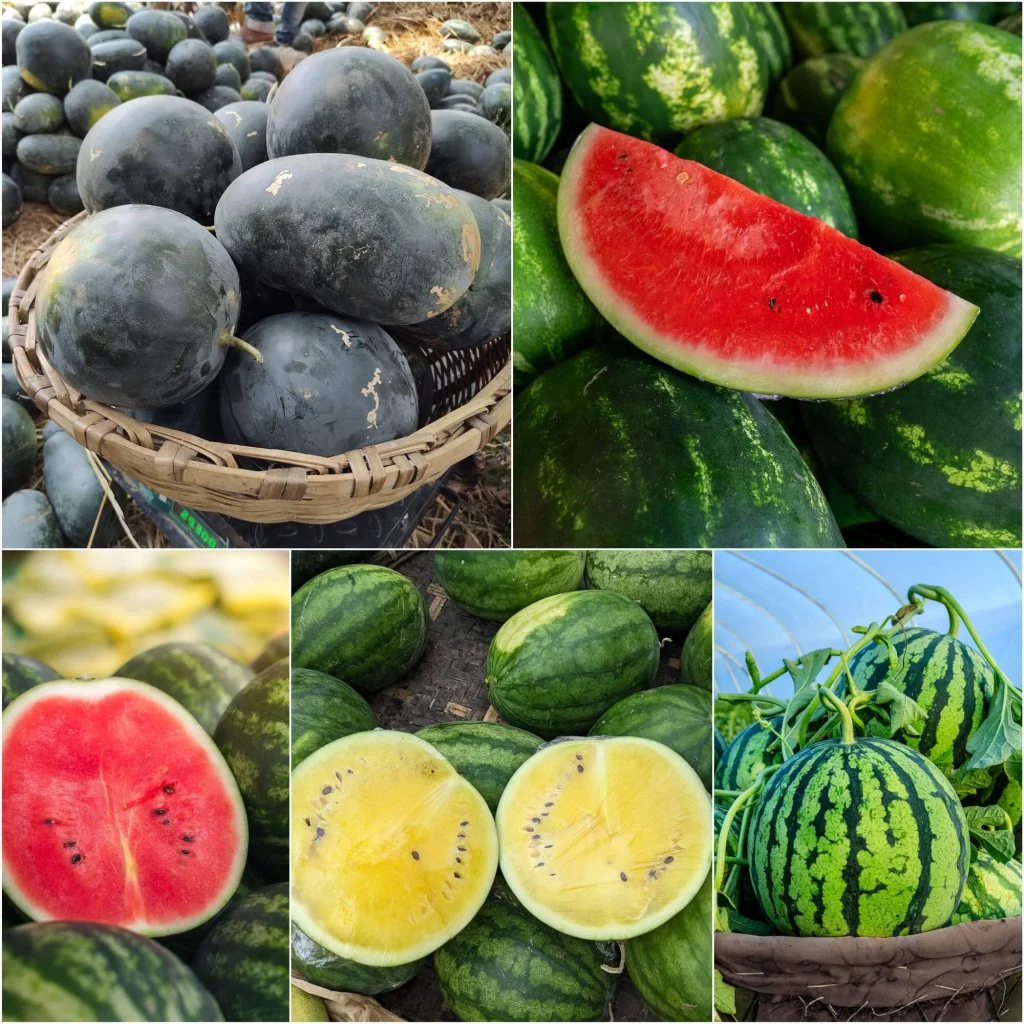
🌱 2. When and How to Plant
Best Time to Plant
Watermelons love heat. Start seeds after the last frost, when the soil temperature is consistently above 70°F (21°C).
Starting Seeds
You can either:
-
Start seeds indoors 2–3 weeks before transplanting
-
Direct sow outdoors once the soil is warm enough

How to Plant
-
Plant seeds ½ to 1 inch deep
-
Space hills or mounds 3–4 feet apart (or more for larger varieties)
-
Thin to 1–2 healthy seedlings per hill once sprouted

☀️ 3. Give Them Full Sun and Warm Soil
Watermelons need at least 6–8 hours of direct sunlight per day and well-drained, fertile soil. To give your melons a head start:
-
Use black plastic mulch or raised beds to keep the soil warm
-
Mix in compost or aged manure before planting
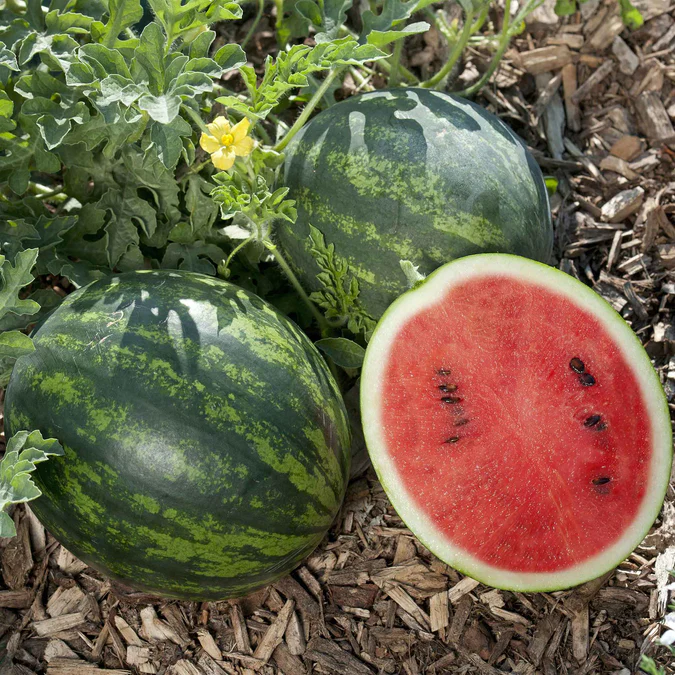
💧 4. Watering and Feeding Tips
Watering
-
Keep soil evenly moist during early growth
-
Cut back watering once fruits start growing—this helps concentrate sugars and prevents splitting
Fertilizing
Feed your watermelons throughout the season:
-
Use a balanced fertilizer early on (e.g. 10-10-10)
-
Switch to low-nitrogen, high-phosphorus and potassium once flowering begins

🌼 5. Help with Pollination
Watermelons have separate male and female flowers. Bees usually take care of pollination, but in low-bee environments:
-
Use a small brush or cotton swab to transfer pollen from male flowers (no tiny fruit) to female flowers (with tiny fruit at the base)
✂️ 6. Prune and Support (If Needed)
-
For small spaces, try trellising smaller varieties with slings to support fruit
-
Prune excess vines or flowers to focus the plant's energy on 1–2 main fruits
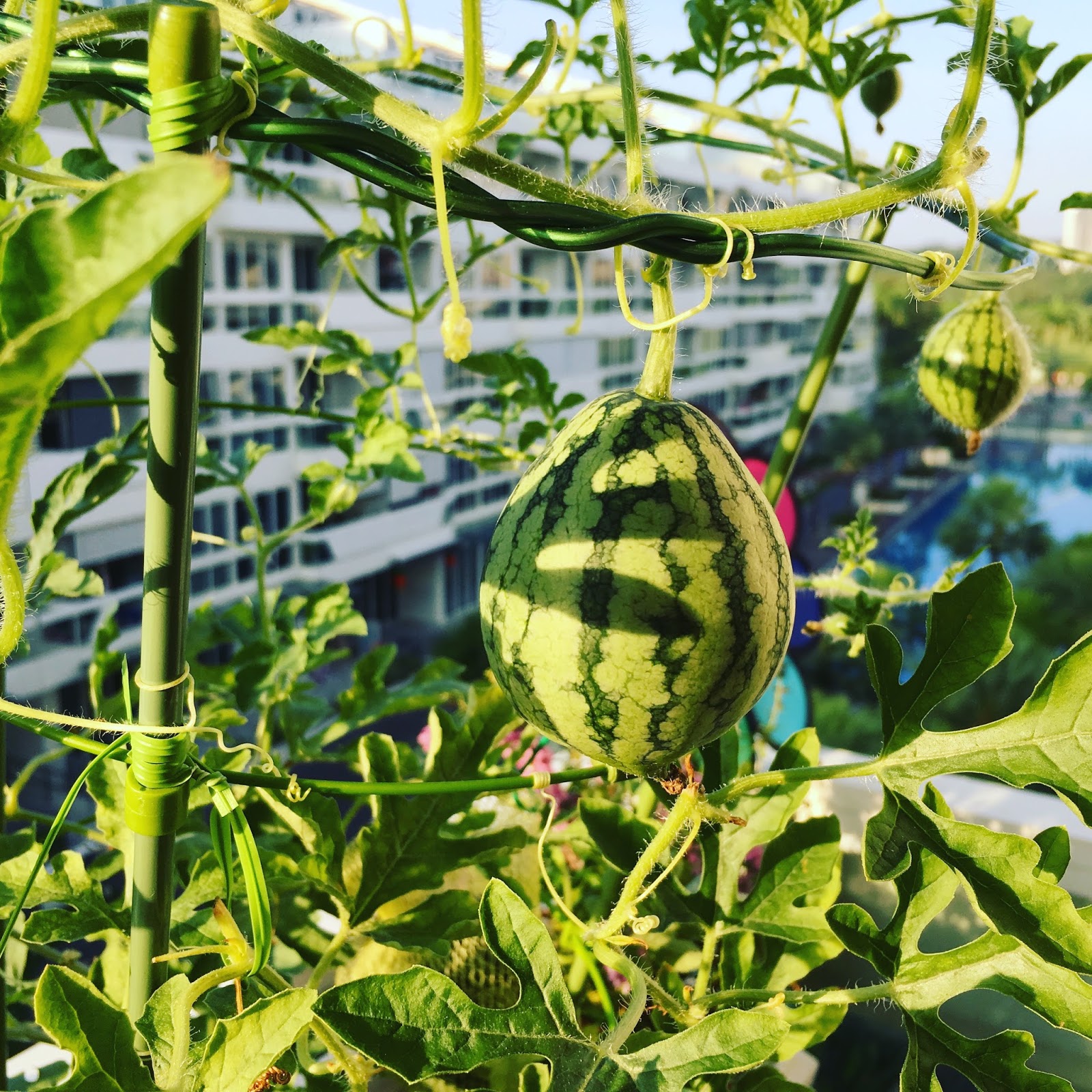
🍉 7. When to Harvest Watermelons
Here’s how to tell your watermelon is ready:
-
The tendril near the stem turns brown and dries up
-
The underside turns creamy yellow
-
A hollow sound when tapped
Still not sure? Pick one and test—it’s part of the fun!

🌿 Final Tips for Sweet Success
-
Don’t overwater late in the season
-
Avoid crowding—good airflow helps prevent mildew
-
Be patient—the sweetest melons come to those who wait
Ready to Grow Your Own Summer Treat?
Whether you're planting in a backyard garden or a large pot on your patio, growing watermelon from seed is a deeply rewarding summer project. With the right care and sunshine, you’ll be slicing into your very own juicy watermelon in no time.
Got questions or tips of your own? Share them in the comments below! Happy growing! 🌞🍉