-5.png?w=886&h=163)

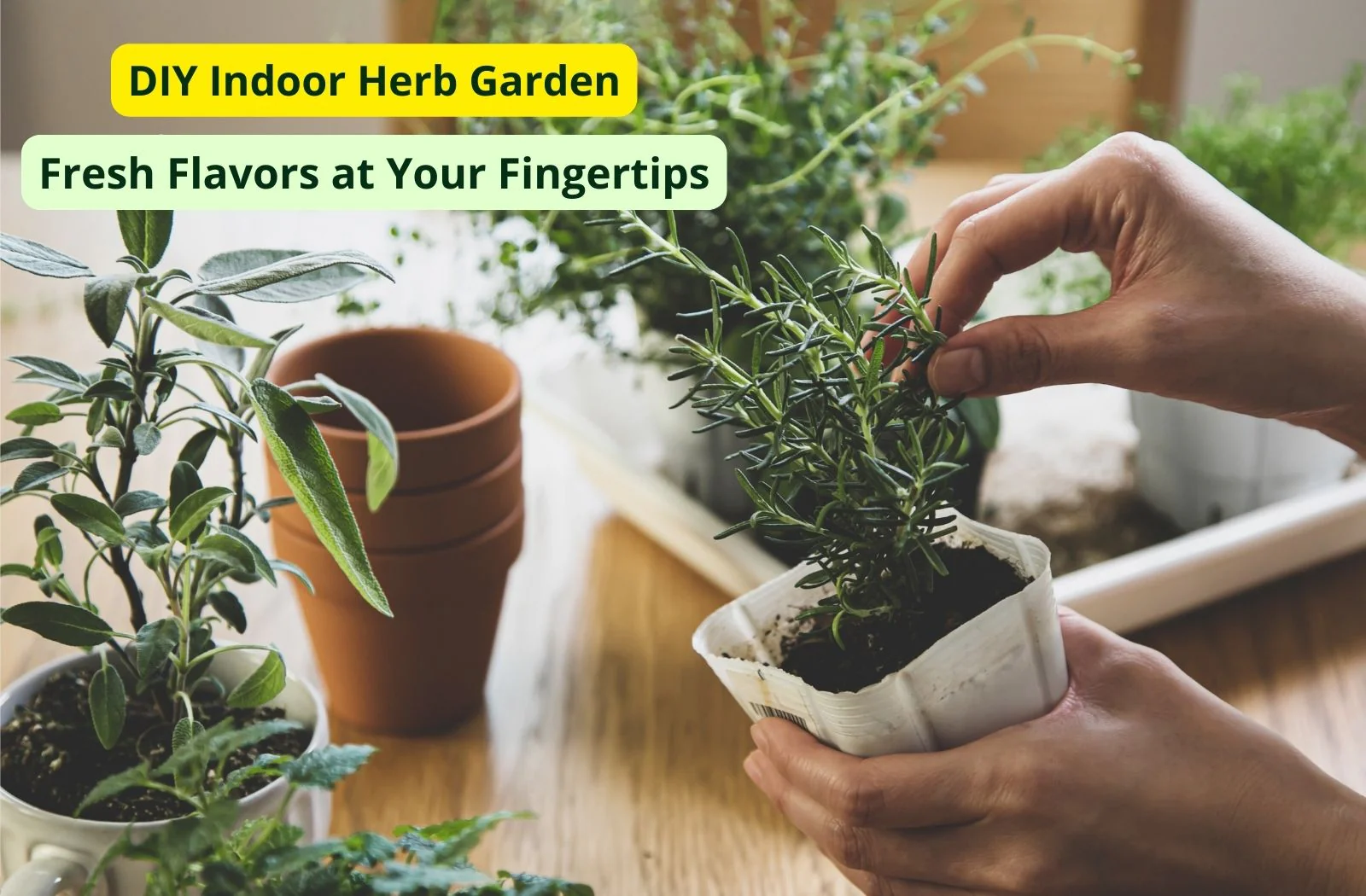
Growing an Indoor Herb Garden: A Guide to Fresh Herbs All Year Round
An indoor herb garden brings the beauty and freshness of nature right into your home, providing fresh herbs for cooking, teas, and even home remedies. Not only do herbs add flavor and fragrance, but they’re also easy to grow indoors, making them perfect for those with limited space or colder climates. Whether you have a sunny windowsill or a corner in your kitchen, here’s how to get started with your own indoor herb garden.

Benefits of an Indoor Herb Garden
- Fresh Herbs Anytime: Having herbs on hand means you can snip fresh basil for pasta or rosemary for roast dishes whenever you need.
- Improved Air Quality: Herbs like mint, basil, and parsley purify the air and add a fresh, natural fragrance to your home.
- A Green Touch: Indoor plants bring a calming, green presence to your home decor, creating a cozy atmosphere.
Choosing the Right Herbs for Indoors
Some herbs thrive indoors better than others, especially those that don’t require a lot of sunlight or frequent watering. Here are some top choices for an indoor herb garden:
- Basil: A versatile herb for Italian, Thai, and Mediterranean dishes; requires a sunny spot.
- Mint: Hardy and fast-growing, mint is perfect for teas and desserts.
- Rosemary: Woody and aromatic, rosemary is great for seasoning meats and vegetables.
- Thyme: This low-maintenance herb pairs well with soups, stews, and roasted veggies.
- Parsley: A nutrient-packed garnish for almost any dish, parsley is easy to grow from seed.
- Chives: Their mild onion flavor enhances salads, soups, and egg dishes.
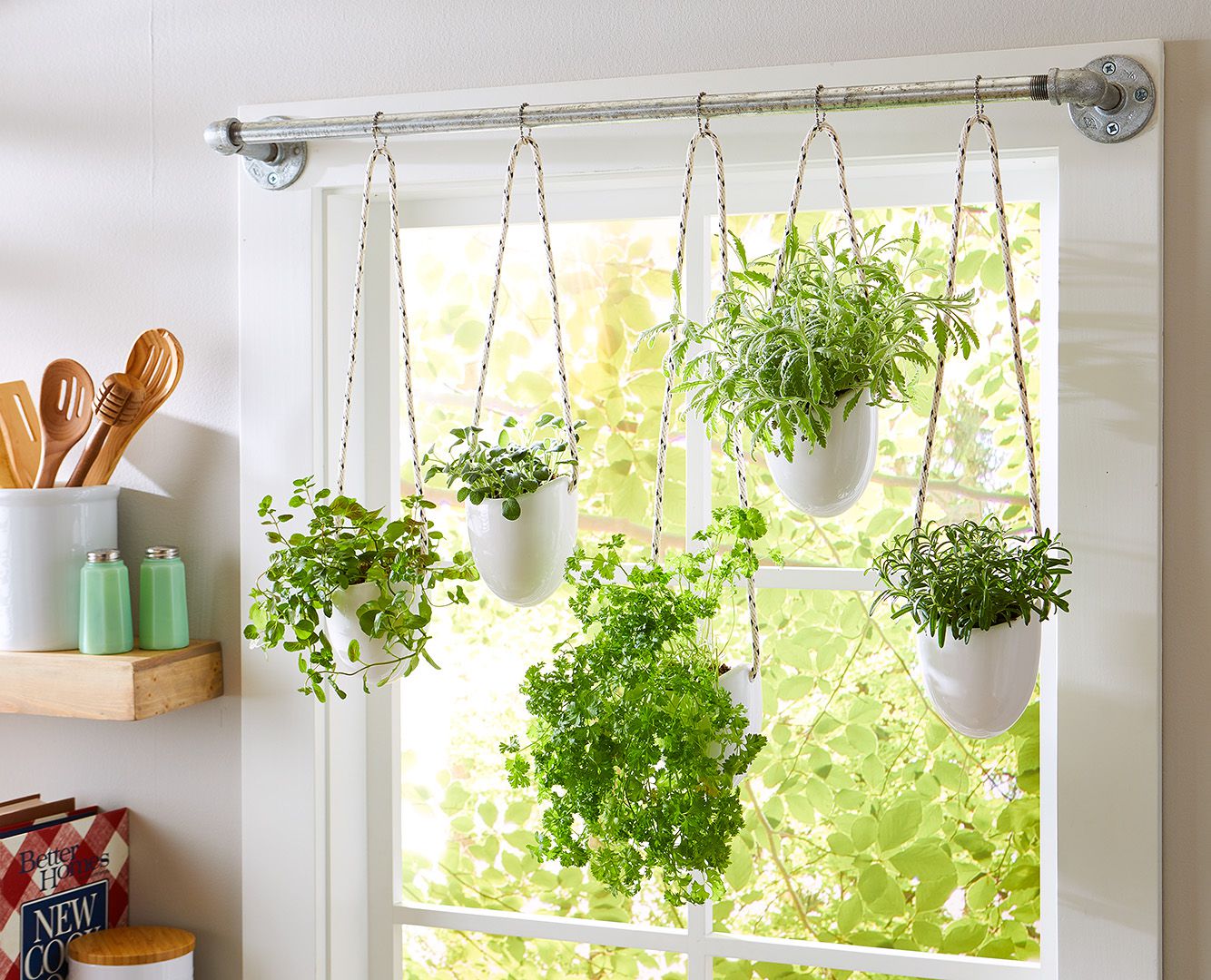
Setting Up Your Indoor Herb Garden
1. Select Containers with Good Drainage
Choose containers that have drainage holes to prevent water from sitting at the roots, which can lead to root rot. Small pots, mason jars with gravel at the bottom, or herb-specific planters work well for this purpose.
2. Use High-Quality Potting Mix
Regular garden soil can be too dense for indoor herbs, so use a light, well-draining potting mix to keep the roots healthy. You can also mix in some perlite or sand to improve drainage.
3. Find the Right Location
Most herbs need about 4-6 hours of sunlight per day, so place them on a sunny windowsill, ideally facing south or west. If you don’t have enough sunlight, consider using a small grow light to supplement.
4. Water Wisely
Watering is key for indoor herbs—too much water can lead to mold, while too little can dry them out. Water when the top inch of soil feels dry, and make sure any excess water can drain away.
5. Regular Pruning for Healthier Growth
Pruning encourages herbs to grow fuller and prevents them from becoming leggy. For most herbs, regularly snip off the top leaves or sprigs to encourage bushy growth. Use the clippings in your cooking for a zero-waste pruning session!
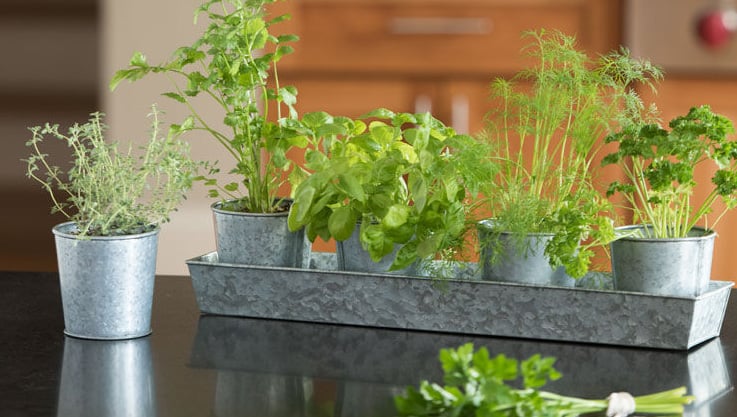
Top Tips for Thriving Indoor Herbs
- Rotate Pots Regularly: Rotate your pots every week so all sides get equal sunlight exposure, promoting even growth.
- Feed Occasionally: Use a diluted liquid fertilizer every 4-6 weeks to give your herbs a nutrient boost.
- Mind the Temperature: Most herbs like a consistent indoor temperature between 65-75°F (18-24°C). Keep them away from drafts or extreme heat sources like radiators.
Troubleshooting Common Indoor Herb Issues
- Yellow Leaves: This could be due to overwatering or lack of nutrients. Check the soil moisture and adjust your watering schedule if needed.
- Leggy Growth: Lack of sunlight often causes herbs to stretch out. Move them to a sunnier spot or supplement with a grow light.
- Pests: Indoor herbs are susceptible to pests like aphids and spider mites. Wipe down the leaves with a damp cloth or use a natural insecticidal soap if you notice pests.
Popular Uses for Fresh Indoor Herbs
- Cooking: Fresh herbs add unbeatable flavor. Try basil in pasta, rosemary with roasted potatoes, or mint in a refreshing lemonade.
- Herbal Teas: Mint, chamomile, and lemon balm are fantastic for teas that are both soothing and refreshing.
- Natural Remedies: Many herbs have medicinal benefits. For example, rosemary is known for its antioxidant properties, and chamomile helps with relaxation.
Time to Taste!
Once your herb plants are mature, harvest them often. This is a win-win! You’ll have plenty of fresh ingredients to use in recipes or give as gifts, and the plant can focus on new growth. Harvested herbs are perfect for sharing. You can customize your own packaging with a small sprig of something you’ve grown like the rosemary shown below. Or go all-out by gifting your loved ones a full bag of fresh herbs. Include a favorite handwritten recipe that incorporates the flavor.🌱
